The Shib: a magazine from zero to 50,000 subscribers in under three months
How I conceived, built and launched a weekly magazine inside a crypto community: every edition's cover dropped as a free NFT, almost entirely organic growth, and $30K a month in sponsorship revenue.
- Role
- Product Manager: concept, product, launch and growth
- Company
- Shiba Inu · June 2023 to December 2024
- Outcome
- 50,000 subscribers in under three months
- Revenue
- $30K per month, sponsored placements
The situation
I was Product Manager at Shiba Inu from June 2023 to December 2024, across a Web3 product suite: the ShibaSwap DEX, DAO tooling, and what became its media arm. Shiba Inu has one of the largest communities in crypto, and almost all of its attention lived on platforms the project did not own: X, Telegram, Discord.
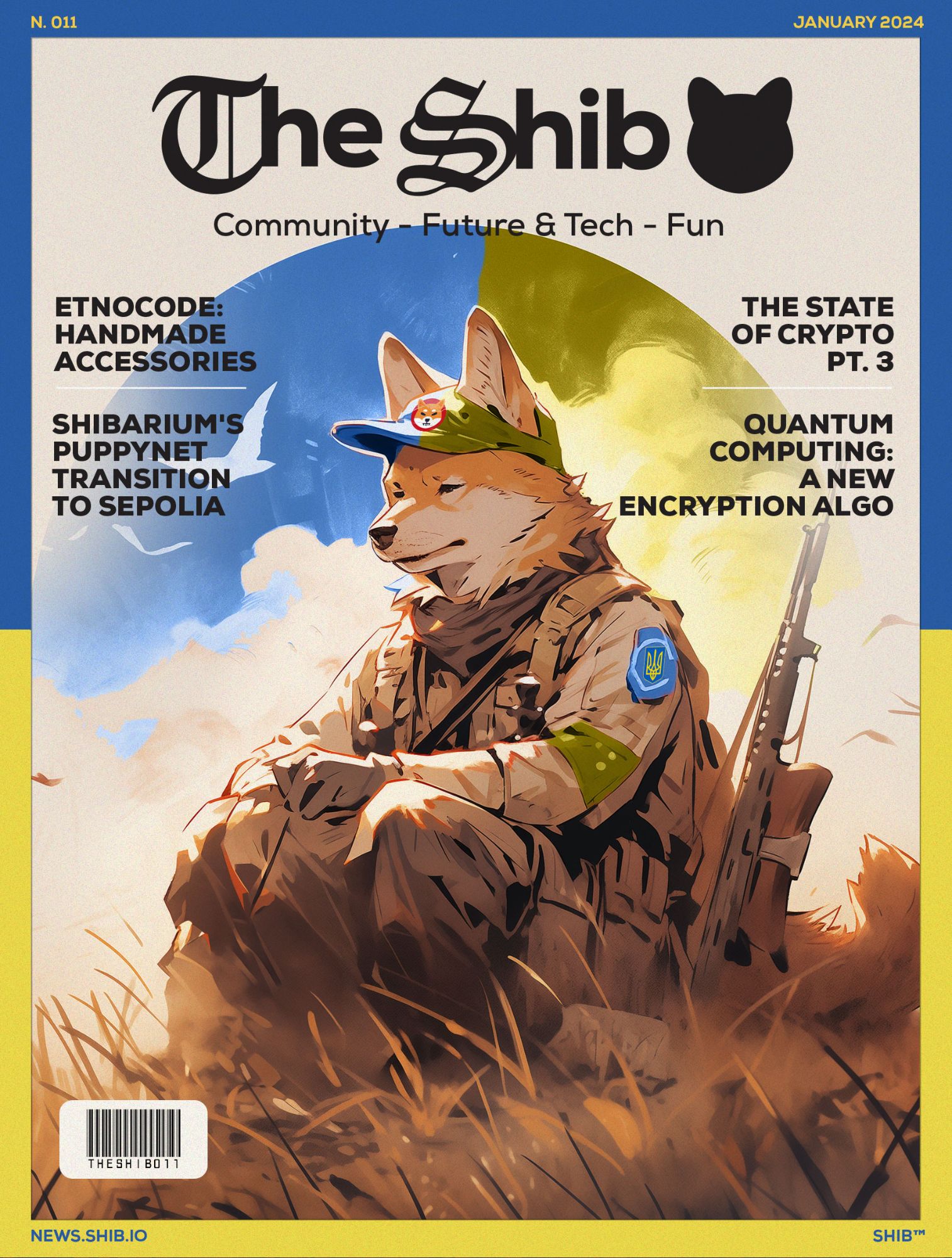
The Shib was my 0→1 there: a magazine for the ecosystem, under the banner "Community · Future & Tech · Fun", published at news.shib.io. It ran weekly for over eight months, with almost no budget for paid acquisition.
The problem
A community that large, and the project owned no direct channel to it: every announcement depended on someone else's algorithm. There was also no revenue line that did not depend on the token price.
The community was the asset. We were renting access to it.
What I did
| Option | For | Against |
|---|---|---|
| A blog on the existing site | Cheap, fast | No habit, no subscriber list, nothing to collect or share |
| A plain email newsletter | Owned channel | Looks like every other crypto newsletter; no reason to tell a friend |
| A magazine with editions, covers and a collectible (chosen) | An edition is an event; a cover is shareable; a collectible gives a crypto-native reason to sign up and come back every week | More production effort per issue; needs a consistent editorial and visual identity |
The bet: make each edition something you can own. Every issue has an illustrated cover, and every cover was dropped as a free NFT to readers. Free mattered: it rewarded attention rather than spending, and it turned each new issue into a moment the community announced for us.
- Weekly editions, numbered and dated, with a fixed editorial spine: community stories, future and tech explainers, and fun.
- A cover worth collecting, in a consistent masthead, designed to be recognised in a feed at thumbnail size.
- A free NFT drop of the cover with every edition. Claiming needed only a wallet or a Google account: no payment, no paid subscription. The lowest possible bar, and each claim was a reader we could reach again.
- Organic, community-led distribution. The community, the covers and the weekly drops were the channel.
- Free to read, paid for by sponsors. Readers never paid, which kept the growth loop intact.
The result
50,000 subscribers in under three months, mostly organic. $30K a month in sponsorship revenue.
For the first time the project had a direct, owned line to its community, and a revenue stream independent of the token price. The magazine shipped every week for more than eight months.
What surprised me. The NFT did more for retention than for acquisition. People signed up for the first cover, but they came back because they did not want a gap in the set.
Also at Shiba Inu
- Uniswap V2 to V3 liquidity migration for ShibaSwap, delivered end to end in under 60 days: technical scoping, engineering alignment and liquidity-provider coordination. +15% TVL on a $20M asset base.
- ShibaSwap and Shibhub design improvements, grounded in usability testing and competitive benchmarking: a portfolio view, trending tokens and pools, desktop and mobile together. +30% retention and +20% new-user activation within 30 days, validated by cohort analysis.
What this means for a team like yours
- You have a community but no owned channel: a product with a habit, a collectible and a sign-up that costs nothing.
- You need a 0→1 under ambiguity, with a small team and no budget for paid acquisition.
- You want revenue that does not depend on the token price: a free product paid for by sponsors.
The fixed-price Sprint (€2,500 to €4,000) is built for a first version like this.
More on this kind of work: consumer app product studio.
More cases
Have a fintech or crypto product to get right?
A free 30-minute scoping call: you leave with a tier and a rough scope. Pick a slot or send a short brief.
Book a 30-minute scoping call See tiers and prices